
Car Symptoms With a Check Engine Light
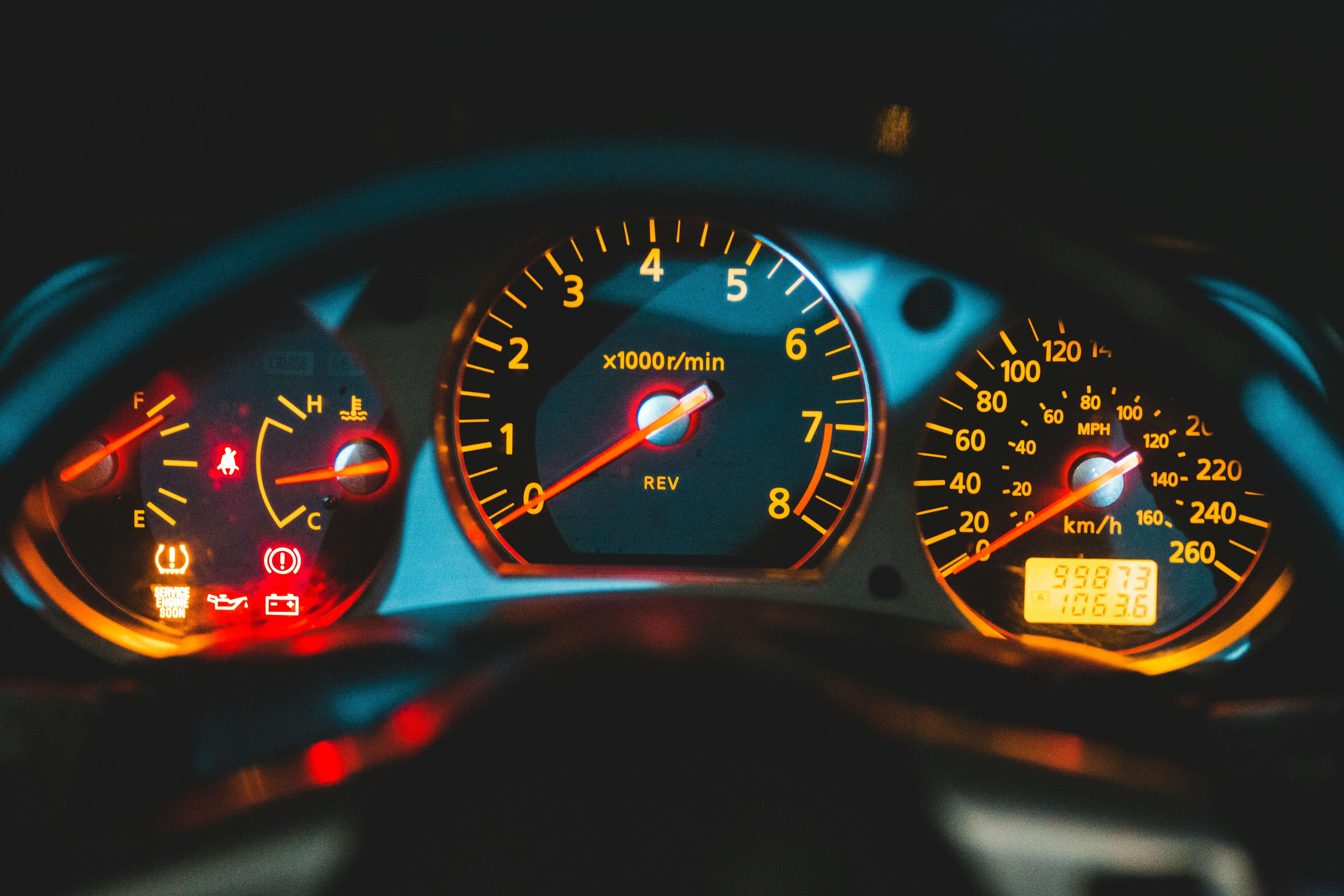
If your check engine light is on and the car feels different, do not start by guessing parts. Start with the main thing you feel: shaking, hesitation, jerking, weak acceleration, power loss, sputtering, stalling, or a blinking light.
How to Use This Symptom Hub
Start with the symptom that matches what your car is doing right now. Then compare it with the check engine code you read from your scanner.
A symptom alone can point you in the right direction, but the code helps narrow the problem down much faster.
Best beginner path: symptom first, code second, then decide what is safe to check before driving more.
The symptom helps you choose the right direction. The trouble code helps you confirm what to check next. Together, they are much more useful than either one alone.
- First, check if the light is solid or blinking
- Next, choose the closest symptom below
- Then read the stored OBD2 code
- Match the code with the symptom before replacing parts
If you have never scanned your car before, here is how to use an OBD2 scanner step-by-step . If you do not have one yet, see our beginner-friendly scanner picks . If you plan to use your phone, especially an iPhone, see Best OBD2 Scanner for iPhone .
If you are not sure what the check engine light itself means, start with this simple explanation: What Does the Check Engine Light Mean?
If the light does not stay on all the time, read why a check engine light comes on and off before you clear any codes.
Already have an OBD2 code? Browse the OBD2 code hub first and then match the code with your symptom.
Choose the Symptom That Matches Best
Choose the symptom that feels most similar to your car. Each guide explains the most common causes, related trouble codes, and what to check first.
Shakes at idle
The car mostly shakes or feels uneven at a stop.
See idle shake causesRPM goes up and down
The idle speed rises, drops, or hunts while the car is stopped.
See unstable idle causesRuns rough
The engine feels uneven, unstable, or rough in general.
See rough running causesLight is blinking
The check engine light is flashing instead of staying solid.
See what blinking meansFeels like a misfire
The engine shakes, stumbles, jerks, or cuts power unevenly.
See misfire symptomsHesitates when accelerating
There is a delay, stumble, or dead spot when you press the gas.
See hesitation causesJerks when accelerating
The car bucks, lurches, or accelerates unevenly under load.
See jerking causesPopping / backfire
The car makes popping sounds, backfires, or loud bursts from the exhaust.
See popping & backfire causesRunning rich symptoms
The engine smells fuel-heavy, uses more gas, or runs too rich.
See rich-running symptomsSputters when accelerating
The engine coughs, stumbles, or breaks up when you press the gas.
See sputtering causesFeels weak when accelerating
The car feels slow, sluggish, or weaker than normal.
See weak acceleration causesHas almost no power
The car barely accelerates or struggles badly when you press the gas.
See severe power loss causesLoses power while driving
The car fades, struggles, or loses pulling power once moving.
See power loss causesShakes while driving
The whole car shakes, shudders, or feels unstable once you are moving.
See shaking while driving causesSteady vibration at speed
The car has a steady buzz or vibration, often at certain speeds.
See vibration while driving causesStalls while driving
The engine shuts off while you are moving.
See stalling causesQuick Diagnosis Shortcut: Symptom → Possible Cause → Code
Use this as a beginner shortcut before opening a full guide. Match what the car feels like, then compare it with the stored code.
- Shaking, jerking, rough idle → possible misfire → P0300, P0301–P0306. If the shaking started with old or worn plugs, also read Can Bad Spark Plugs Cause Shaking?
- Hesitation or weak acceleration → possible lean condition, air leak, MAF issue, or slow sensor response → P0171, P0174, P0101, P0133
- Fuel smell, poor MPG, sluggish engine → possible rich condition → P0172, P0175, or the symptom guide for engine running rich symptoms
- Gas smell but no check engine light → start with Car Smells Like Gas but No Check Engine Light
- No clear symptom, but check engine light is on → possible EVAP leak → P0442, P0455, P0456
- Power loss under load → possible fuel, airflow, misfire, or catalytic converter issue → P0420, P0430
This is not a final diagnosis. It is a faster way to choose the right guide before replacing parts.
Which Symptoms Usually Mean “Do Not Keep Driving”?
Some symptoms are annoying but still mild. Others are much more serious.
You should be extra careful if:
- The check engine light is blinking
- The engine is shaking badly
- The car jerks hard or struggles badly to accelerate
- The car suddenly loses major power while driving
- The engine feels like it may stall
- The car already stalled while driving
👉 Beginner rule: if the symptom feels severe enough that the car feels unsafe in traffic, avoid driving until you scan it and understand the cause.
For the full beginner safety explanation, read: Can I Drive With the Check Engine Light On?
What Your Code + Symptom Usually Means Together
The best beginner path is simple: symptom first, then possible cause, then the matching code guide.
- Shaking / jerking + P0300–P030X → likely misfire direction. Start with ignition checks like spark plugs and coils before guessing bigger problems. See P0300 guide
- Hesitation / weak acceleration + P0171 / P0174 → likely lean direction. Start by thinking air leak, vacuum leak, MAF reading, or fuel delivery. See P0171 guide
- Weak acceleration + P0101 / P0133 → possible airflow or oxygen sensor response issue. See P0101 guide
- Fuel smell / poor MPG + P0172 / P0175 → likely rich-running direction. See P0172 guide or compare the symptoms with Engine Running Rich Symptoms.
- No strong symptom + P0442 / P0455 / P0456 → likely EVAP leak direction. Start with simple checks like the gas cap before assuming expensive repairs. See P0455 guide
- Power loss under load + P0420 / P0430 → possible catalytic converter efficiency issue, especially if there were misfires before. See P0420 guide
Already know the exact code? Browse all OBD2 codes explained for beginners .
FAQ
What should I do first if my car has symptoms and the check engine light is on?
First check whether the light is solid or blinking. Then think about what the car feels like most clearly, and read the stored code before replacing anything.
Which symptom is most serious with a check engine light?
A blinking check engine light, severe shaking, major power loss, or stalling while driving are some of the most serious combinations.
Do these symptoms always mean the same problem?
No. The same symptom can come from different problems, which is why the stored code matters so much.
Should I start with the symptom or the code?
Start with both. The symptom helps you choose the right guide, and the code helps you narrow it down more accurately.